TERAWWW
I’m Terawww. I make psychological horror games about memory, perception and the things we leave unresolved. Creator of WriteNor.
About
Terawww
Who I am
Terawww is my developer name. You may also know me as Teraw, Терав or Тераввв. This is my official portfolio: the place to find my game, its current status and my public links.
What I make
I develop independent psychological horror games. My current project is WriteNor: a first-person story in which a frozen present meets memories that keep moving forward.
What interests me
The detail you almost miss. A familiar room that feels different. A conversation that means something else when you remember it later. I want curiosity and unease to carry the player into the story.
Atmosphere
Spaces, light and pacing that make an ordinary place feel unfamiliar.
Exploration
Environmental details that reward attention and invite questions.
Interfaces in the world
Messages, screens and files as part of the player’s investigation.
Narrative Design
Memories, dialogue and small discoveries that change how a scene feels.
Memory & Perception
A creative focus on the gap between what happened and what someone remembers.
Sound & Tension
Silence, distance and rhythm as part of a scene’s atmosphere.
Current Game
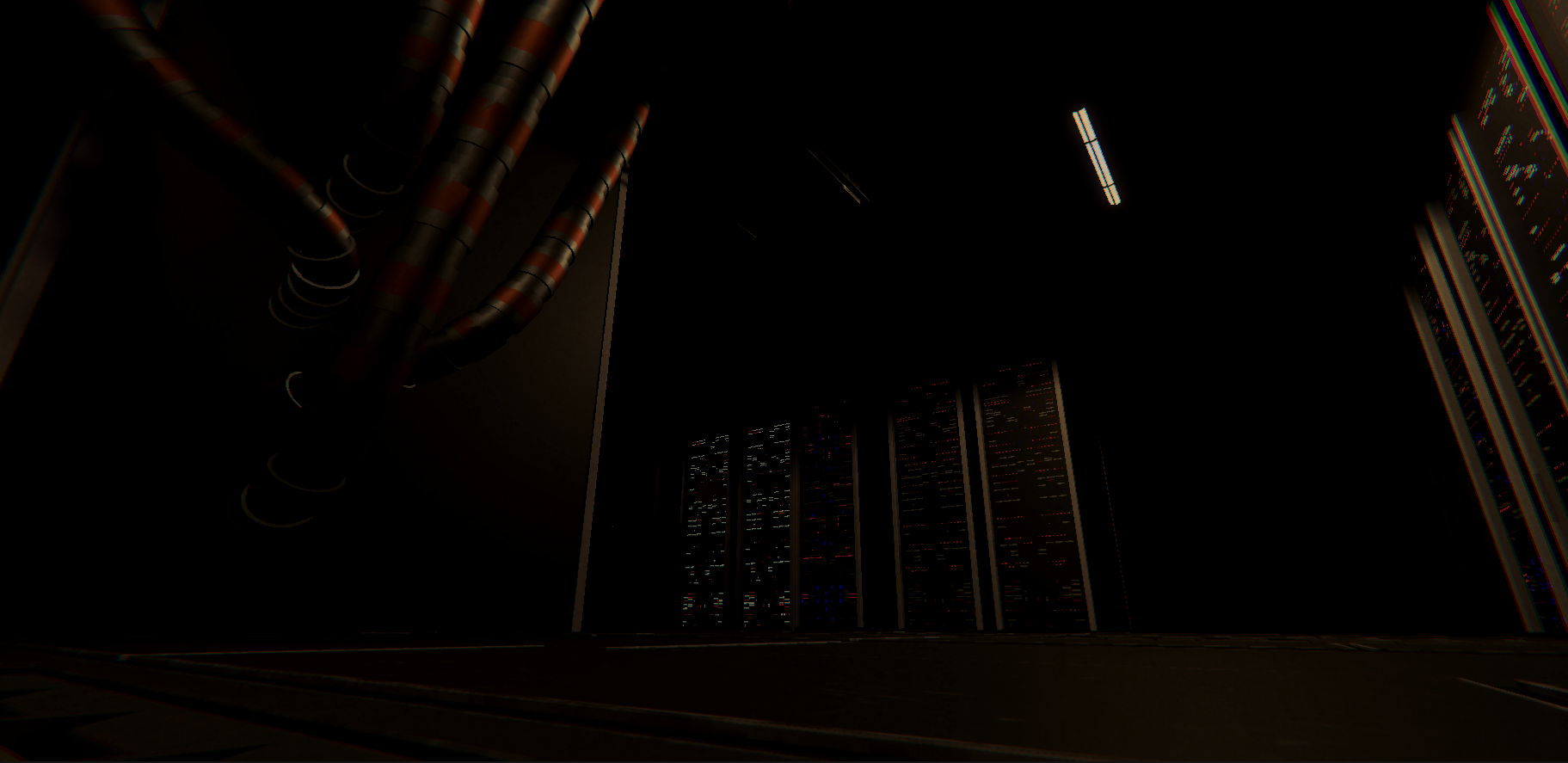
WriteNor
WriteNor is a first-person psychological horror. Johnny’s present stands still while memories take him back a year, to the office and to Nori. Explore, read messages and piece together why those two realities are drawing closer. Some truths only surface when you are willing to remember.
The Last Command is an early prototype of the future game WriteNor by Terawww.
My Approach
A familiar place, one wrong detail
A scene can be unsettling before anything happens. Small changes give the player a reason to look again.
Curiosity comes first
I want the player to keep going because they need to understand the place, the people and the memory behind it.
Let the player discover
A room, a message or a pause in a conversation can carry a story. I prefer details the player finds to answers delivered all at once.
Emotion leaves a trace
Horror stays with us when there is something human underneath it. Memory, absence and unfinished conversations are at the heart of WriteNor.
“Make the player want to remember — even when it hurts.”
— Terawww / Creative direction
Get In Touch
For press, festivals, collaboration ideas and feedback about my games. Tell me what you have in mind and include any useful links.
For a WriteNor bug report, please include your platform and what happened.